Reducing Bearing Downtime and Raising Productivity Year After Year
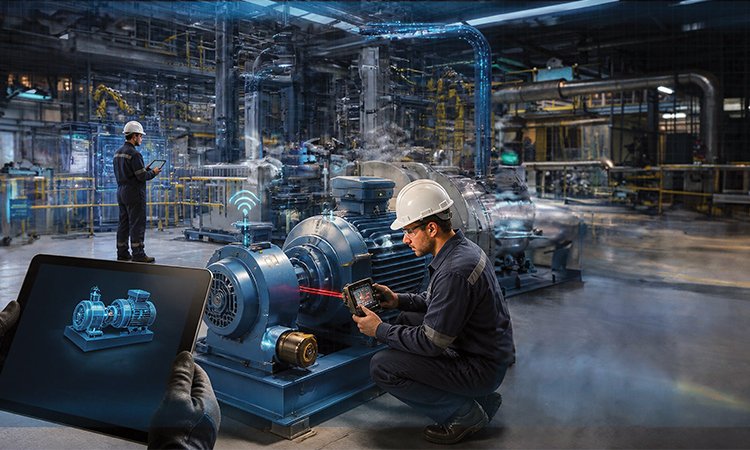
Bearings may appear to be small components in the overall industrial ecosystem, but their role in ensuring uninterrupted machine performance is enormous. From machine tools and steel plants to power generation, mining, automotive, food processing, and heavy engineering, bearings are at the heart of rotating equipment. Their efficiency directly influences productivity, machine life, energy consumption, and maintenance costs. In modern manufacturing environments, where every minute of downtime translates into financial loss, industries are under increasing pressure to maximize equipment availability. Unexpected bearing failure can halt entire production lines, disrupt delivery schedules, and escalate maintenance expenses. As industries move toward higher automation and smarter factories, the focus has shifted from merely replacing failed bearings to adopting strategies that prevent failures before they occur.
Reducing downtime and increasing bearing productivity year after year requires a combination of correct selection, proper lubrication, condition monitoring, precision installation, operator awareness, and predictive maintenance. Organizations that adopt a systematic bearing management strategy not only improve operational efficiency but also gain a competitive advantage through enhanced reliability and reduced lifecycle costs.
Understanding the Real Causes of Bearing Failure
One of the first steps toward reducing downtime is understanding why bearings fail. Contrary to popular belief, most bearing failures are not due to material defects. Studies across industries show that a majority of failures arise from improper lubrication, contamination, misalignment, overloading, incorrect mounting practices, and inadequate maintenance. Contamination from dust, metal particles, moisture, and chemicals can significantly reduce bearing life. Even microscopic particles entering the bearing raceway can create surface damage, leading to vibration and eventual failure. Similarly, incorrect lubrication—either too much or too little—can result in excessive heat generation and wear. Improper installation techniques are another major contributor to premature failure. Bearings mounted using hammers or incorrect tools can develop internal stresses and damage before operation even begins. Misalignment between shafts and housings further accelerates fatigue and increases vibration levels. Therefore, industries aiming for long-term productivity improvement must treat bearing reliability as an engineering discipline rather than a maintenance afterthought.
Choosing the Right Bearing for the Right Application
A critical factor in minimizing downtime is selecting the appropriate bearing for the application. Different operating environments require different bearing characteristics. High-speed machine tools demand precision bearings with superior rigidity and thermal stability, while mining and cement applications require bearings capable of handling heavy shock loads and contamination. Modern bearing manufacturers now offer application-specific solutions designed for extreme operating conditions. Sealed bearings, corrosion-resistant bearings, ceramic hybrid bearings, and high-temperature variants have expanded the possibilities for industries seeking longer service life. Proper load calculations, speed analysis, temperature considerations, and environmental evaluation are essential during bearing selection. Oversized or undersized bearings can both lead to premature failure and unnecessary energy consumption. Working closely with bearing experts and OEMs helps ensure that the most suitable solution is chosen from the outset.
Lubrication: The Lifeline of Bearing Performance
Lubrication remains one of the most important aspects of bearing productivity. A properly lubricated bearing experiences reduced friction, lower operating temperatures, minimized wear, and longer service life. However, lubrication practices in many industries still rely heavily on manual methods and assumptions. Excess grease application is a common problem, often causing overheating and seal damage. On the other hand, insufficient lubrication leads to metal-to-metal contact and rapid deterioration. Today, industries are increasingly adopting automatic lubrication systems that deliver the correct quantity of lubricant at precise intervals. These systems not only reduce human error but also ensure consistent lubrication even in inaccessible or hazardous locations.
Advanced lubricants with superior thermal stability, water resistance, and extreme-pressure characteristics are also contributing to longer bearing life. Synthetic lubricants, for example, offer excellent performance in high-speed and high-temperature applications. Equally important is maintaining lubricant cleanliness. Contaminated grease or oil can negate all other maintenance efforts. Filtration systems and proper storage practices therefore play a vital role in improving reliability.
Predictive Maintenance and Condition Monitoring
Traditional maintenance practices relied on reactive approaches—repairing bearings after failure occurred. Later, preventive maintenance introduced scheduled replacements at fixed intervals. While better than reactive maintenance, preventive maintenance often results in unnecessary replacements and increased costs. Today, predictive maintenance is transforming bearing management across industries. Using technologies such as vibration analysis, thermography, ultrasound monitoring, and oil analysis, maintenance teams can detect early signs of bearing deterioration long before catastrophic failure occurs. Vibration monitoring is particularly effective because bearing defects generate characteristic vibration patterns. Modern sensors and AI-driven diagnostic systems can continuously monitor equipment health and alert operators to developing issues.
The Industrial Internet of Things (IIoT) has further enhanced predictive maintenance capabilities. Smart bearings equipped with sensors can now provide real-time information on temperature, speed, lubrication condition, and vibration levels. This enables maintenance teams to make informed decisions and plan interventions without interrupting production. Predictive maintenance not only reduces downtime but also extends bearing life, optimizes spare inventory, and improves overall equipment effectiveness (OEE).
Precision Installation and Alignment Practices
Even the best bearing can fail prematurely if installed incorrectly. Precision mounting and alignment practices are therefore essential for long-term productivity. Modern industries increasingly use induction heaters, hydraulic tools, and laser alignment systems for bearing installation. These tools ensure proper mounting without damaging bearing surfaces. Laser shaft alignment systems have become especially important in rotating machinery. Misalignment creates uneven load distribution, resulting in excessive vibration, heat generation, and premature bearing fatigue. Correct alignment improves bearing life, reduces energy consumption, and enhances machine efficiency. Training maintenance personnel in correct handling and installation techniques is equally important. Bearings should always be stored in clean environments and handled carefully to avoid contamination and physical damage.
The Role of Sealing Technology
Effective sealing is crucial for preventing contamination and lubricant leakage. In many industrial environments, bearings are exposed to dust, moisture, chemicals, and abrasive particles that can drastically reduce operational life. Modern sealing technologies have evolved significantly to address these challenges. Advanced contact seals, non-contact seals, labyrinth seals, and integrated sealing systems now provide superior protection while minimizing friction. Sealed-for-life bearings are becoming increasingly popular in applications where maintenance access is difficult. These bearings reduce maintenance requirements and improve operational reliability over extended periods. Selecting the right sealing arrangement for the operating environment can significantly reduce downtime and maintenance costs.
Training and Reliability Culture
Technology alone cannot guarantee reduced downtime. Human expertise and organizational culture play a major role in sustaining bearing productivity improvements year after year. Companies that achieve high reliability standards invest heavily in workforce training. Maintenance teams must understand bearing fundamentals, lubrication practices, alignment methods, failure analysis, and condition monitoring techniques. A reliability-centered maintenance culture encourages proactive problem-solving rather than reactive firefighting. Root cause analysis after every failure helps organizations identify recurring issues and implement corrective measures. Cross-functional collaboration between production, maintenance, procurement, and engineering departments further enhances reliability initiatives.
Digitalization and Smart Bearing Technologies
The rise of Industry 4.0 has opened new opportunities for improving bearing productivity. Smart factories are increasingly integrating bearing data into centralized monitoring systems that provide predictive insights and automated maintenance planning. Artificial Intelligence and machine learning algorithms can analyze vast amounts of operational data to identify trends and predict failures with remarkable accuracy. Cloud-connected monitoring systems allow remote diagnostics and expert support from anywhere in the world. Digital twins are another emerging technology enabling industries to simulate machine performance and optimize maintenance schedules. These innovations are helping industries move toward near-zero unplanned downtime. Smart bearings with embedded sensors are expected to become increasingly common in the coming years, particularly in critical industries such as aerospace, energy, steel, railways, and advanced manufacturing.
A Long-Term Commitment to Reliability
Reducing bearing downtime and increasing productivity is not a one-time exercise but an ongoing process of continuous improvement. Industries that consistently achieve high equipment availability recognize that bearing reliability requires strategic planning, disciplined maintenance practices, employee training, and technological adoption. As manufacturing becomes more competitive and automation levels rise, the importance of reliable bearings will continue to grow. Companies that embrace predictive maintenance, precision engineering, smart monitoring, and reliability-focused practices will not only reduce downtime but also improve profitability, sustainability, and operational excellence year after year. In today’s industrial landscape, bearings are no longer viewed merely as machine components. They are now recognized as critical productivity enablers capable of influencing the efficiency and success of entire operations.