Curbing the Proliferation of Counterfeit Bearings in the Market
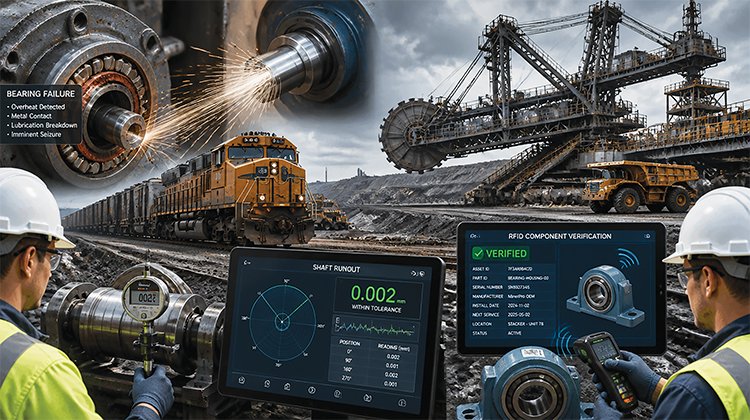
Bearings are among the most essential components in industrial machinery, supporting rotational movement and enabling smooth, efficient operation across countless applications. From automobiles and machine tools to power plants, railways, mining equipment, steel mills, and construction machinery, bearings are critical to productivity and operational safety. However, the growing global demand for industrial components has also given rise to a serious challenge-the proliferation of counterfeit bearings in the market. Fake bearings, often sold under the names of reputed brands, have become a major concern for manufacturers, distributors, maintenance professionals, and end users alike.
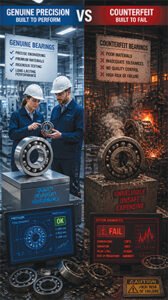
Counterfeit bearings may appear visually similar to genuine products, but they are typically manufactured using inferior materials, poor-quality processes, and inadequate quality controls. Their use can result in premature failures, machine breakdowns, production losses, safety hazards, and increased maintenance costs. As industries increasingly depend on high-performance equipment and uninterrupted operations, the need to combat counterfeit bearings has become more critical than ever. Addressing this challenge requires coordinated efforts involving manufacturers, distributors, industries, regulatory authorities, and end users.
Understanding the Counterfeit Bearing Problem
Counterfeit bearings are unauthorized replicas designed to imitate genuine branded products. In many cases, counterfeiters copy packaging, markings, logos, and serial numbers so convincingly that distinguishing fake products from originals becomes difficult. The counterfeit bearing market has expanded due to several factors, including global supply chain complexity, increasing demand for low-cost products, and the rapid growth of online marketplaces. Unsuspecting buyers often fall victim to fake products because they are offered at significantly lower prices than genuine bearings. Counterfeit bearings are commonly found in sectors where replacement demand is high, such as automotive aftermarket services, construction equipment, mining, agriculture, and general industrial maintenance. Unfortunately, the apparent short-term cost savings associated with counterfeit products often result in far greater long-term losses due to unexpected equipment failures and downtime.
The Risks Associated with Fake Bearings
The dangers posed by counterfeit bearings extend far beyond financial losses. Since bearings are precision-engineered components, even minor deviations in material quality or dimensional accuracy can severely affect machine performance. Counterfeit bearings often lack proper heat treatment, precision grinding, and surface finishing. As a result, they experience excessive wear, overheating, vibration, and early fatigue failure. In critical applications such as railways, aerospace, wind turbines, cranes, and heavy industrial machinery, bearing failure can lead to catastrophic accidents and serious safety risks. Premature bearing failure also affects surrounding machine components, including shafts, housings, gears, seals, and lubrication systems. This can significantly increase repair costs and production downtime. In manufacturing industries operating on tight delivery schedules, unexpected equipment stoppages caused by counterfeit bearings can disrupt production planning and damage customer relationships. The long-term impact of counterfeit products therefore extends to productivity, profitability, operational reliability, and even corporate reputation.
Why Counterfeit Bearings Continue to Thrive
One of the major reasons counterfeit bearings continue to proliferate is the strong market demand for inexpensive replacement parts. Many buyers, particularly in cost-sensitive markets, prioritize lower prices without fully considering quality and lifecycle performance. Lack of awareness is another significant factor. End users may not possess the technical expertise required to identify counterfeit products, especially when packaging and branding closely resemble genuine products. Complex and fragmented supply chains also create opportunities for counterfeit products to enter the market. Unauthorized dealers and grey-market suppliers often distribute fake bearings through informal channels. The rise of e-commerce platforms has further complicated the situation. Online marketplaces provide counterfeiters with easier access to customers across geographical boundaries, making monitoring and enforcement more difficult. In some cases, industries unknowingly procure counterfeit bearings due to inadequate supplier verification and procurement practices.
Identifying Counterfeit Bearings
Detecting counterfeit bearings requires careful inspection and technical knowledge. While counterfeit products are becoming increasingly sophisticated, several indicators can help identify suspicious components. Poor packaging quality, spelling errors, inconsistent logos, and incorrect labeling are common warning signs. Genuine bearing manufacturers usually maintain high packaging standards and provide clear product identification. Differences in surface finish, markings, dimensions, and weight can also indicate counterfeit products. Fake bearings may exhibit rough machining, uneven engraving, or poor-quality seals. Another important aspect is documentation and traceability. Genuine manufacturers often provide batch numbers, QR codes, authentication labels, and traceability systems that help verify product authenticity. Performance-related symptoms such as excessive noise, vibration, overheating, and short operational life are also strong indicators of counterfeit products. Training maintenance personnel and procurement teams to recognize these warning signs is essential in preventing counterfeit bearings from entering industrial operations.
The Role of Authorized Distribution Networks
One of the most effective ways to curb counterfeit bearings is to procure products exclusively through authorized distributors and certified supply channels. Leading bearing manufacturers maintain extensive authorized dealer networks to ensure product authenticity and proper technical support. Purchasing from verified sources significantly reduces the risk of counterfeit products entering the supply chain. Authorized distributors also provide valuable services such as application engineering support, installation guidance, warranty coverage, and after-sales assistance. Industries should establish strict procurement policies that include supplier verification, traceability checks, and quality documentation requirements. Long-term partnerships with trusted suppliers help organizations maintain consistent quality standards and improve operational reliability. Technology and Digital Authentication Solutions
Bearing manufacturers are increasingly leveraging digital technologies to combat counterfeiting. Advanced authentication systems now play a major role in protecting product integrity. QR codes, holograms, RFID tags, blockchain-based traceability systems, and digital verification platforms allow users to authenticate products quickly and accurately. Some manufacturers have introduced mobile applications that enable customers to scan bearing codes and verify authenticity in real time. These technologies improve supply chain transparency and help identify counterfeit distribution channels. Artificial Intelligence and data analytics are also being used to monitor suspicious market activities and identify counterfeit networks. Digital traceability solutions are expected to become increasingly important as industries move toward smarter and more connected supply chains.
Industry Awareness and Training
Combating counterfeit bearings requires widespread awareness across the industrial ecosystem. Many industries continue to underestimate the risks associated with fake products, focusing primarily on purchase price rather than lifecycle costs. Awareness programs conducted by bearing manufacturers, trade associations, and industrial organizations play a crucial role in educating end users about the dangers of counterfeit products. Training sessions for maintenance teams, procurement personnel, distributors, and technicians help improve the ability to identify suspicious products and follow best procurement practices. Industrial exhibitions, seminars, and technical workshops also provide valuable platforms for promoting awareness regarding counterfeit bearing risks. The more informed the market becomes, the more difficult it becomes for counterfeiters to operate successfully.
 Regulatory and Legal Measures
Governments and regulatory authorities also have an important role to play in curbing counterfeit industrial products. Stronger intellectual property protection laws, stricter customs inspections, and enhanced enforcement actions are necessary to reduce the circulation of fake bearings across markets. Collaboration between manufacturers, law enforcement agencies, and industry associations can help identify counterfeit networks and prevent illegal trade activities. Legal action against counterfeit manufacturers and distributors acts as a deterrent and reinforces the importance of product authenticity. However, enforcement alone cannot solve the problem completely. Sustainable success requires collective responsibility across the supply chain.
The Economic Impact of Counterfeit Bearings
Counterfeit bearings not only harm individual businesses but also negatively affect the broader industrial economy. Genuine bearing manufacturers suffer revenue losses and brand reputation damage due to counterfeit products falsely carrying their names. This can discourage innovation and investment in research and development. Industries using counterfeit products experience lower productivity, increased maintenance costs, and higher operational risks. In sectors such as infrastructure, transportation, power generation, and manufacturing, equipment failures caused by fake bearings can have significant economic consequences. By curbing counterfeit products, industries can improve operational reliability, protect investments, and support sustainable industrial growth.
Building a Culture of Quality and Reliability
Ultimately, the fight against counterfeit bearings is not solely about enforcement or technology-it is about creating a culture that values quality, reliability, and long-term performance over short-term savings. Organizations must recognize that bearings are precision-engineered components directly linked to machine safety and operational efficiency. Purchasing decisions should therefore be based on quality, technical support, and lifecycle value rather than price alone. Reliability-focused procurement strategies, supplier partnerships, employee training, and digital traceability systems together form a strong defense against counterfeit products. As industries continue to modernize and adopt advanced manufacturing practices, the importance of genuine, high-quality bearings will only increase.
Safeguarding Industrial Performance
Counterfeit bearings represent a serious challenge to industrial reliability, safety, and productivity. Their proliferation threatens not only machinery performance but also the integrity of global industrial supply chains. Fortunately, through awareness, technology, strict procurement practices, authorized distribution networks, and collaborative industry efforts, the spread of counterfeit bearings can be significantly reduced.
The path forward lies in proactive vigilance and a shared commitment to quality. Industries that prioritize genuine products and reliability-driven practices will be better positioned to achieve long-term operational excellence and sustainable growth. In an era where downtime is costly and equipment performance is critical, safeguarding the authenticity of bearings is no longer optional-it is essential for the future of industrial success.
Author: P.K. Balasubramanian