The Role of Seals in Bearing Performance
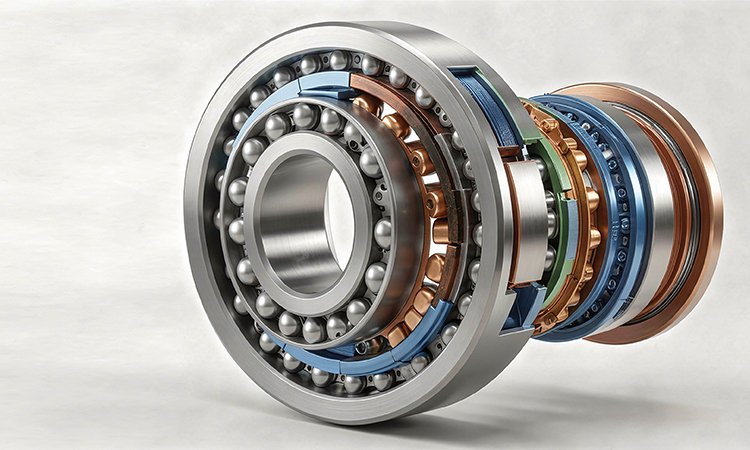
Bearings are among the most vital components in industrial machinery, enabling smooth rotational movement while reducing friction and supporting loads. From automotive systems and machine tools to mining equipment, wind turbines, food processing plants, and heavy construction machinery, bearings are central to operational efficiency and machine reliability. However, even the most advanced bearing can fail prematurely if it is not adequately protected from contamination and lubricant loss. This is where seals play a crucial role.
Often overlooked compared to the bearing itself, seals are indispensable in ensuring long bearing life, reliable machine performance, and reduced maintenance costs.
Seals act as protective barriers that retain lubricants inside the bearing while preventing the entry of harmful contaminants such as dust, dirt, water, chemicals, and metal particles. Without effective sealing, bearings become vulnerable to rapid wear, overheating, corrosion, and premature failure. In modern industry, where machinery operates under increasingly demanding conditions, the importance of sealing technology has grown significantly. Today’s seals are not merely accessories-they are engineered solutions that directly influence bearing efficiency, operational reliability, energy consumption, and maintenance intervals.
Why Bearings Need Effective Sealing
Bearings operate in environments that are often hostile and unpredictable. Industrial equipment may be exposed to abrasive dust, moisture, mud, chemicals, high temperatures, pressure variations, and aggressive cleaning processes. In such conditions, even microscopic contaminants entering the bearing can cause serious damage. Contamination is one of the leading causes of premature bearing failure worldwide. Dirt particles can create surface indentations on raceways and rolling elements, initiating fatigue cracks and increasing vibration levels. Moisture ingress can lead to corrosion, lubricant degradation, and rust formation.
At the same time, lubricant retention is equally critical. Bearings rely on proper lubrication to minimize friction and prevent metal-to-metal contact. If lubricant leaks out due to poor sealing, friction increases, temperatures rise, and bearing life shortens dramatically. Seals therefore serve a dual function-keeping contaminants out while keeping lubrication in. This protective role makes them essential for maintaining bearing performance and extending equipment life.
Understanding Different Types of Bearing Seals
Bearing seals are available in various designs depending on the application, operating environment, speed, and load conditions. The selection of the appropriate sealing solution is crucial for ensuring optimal bearing performance.
Contact Seals
Contact seals physically touch the rotating surface and provide excellent protection against contaminants. They are widely used in environments exposed to dust, moisture, and dirt. However, because they create friction, they may generate additional heat and slightly increase energy consumption.
Non-Contact Seals
Non-contact seals maintain a small clearance between the seal and rotating component, minimizing friction and enabling higher operating speeds. These seals are commonly used in high-speed machinery where energy efficiency is important.
Labyrinth Seals
Labyrinth seals use a complex path or maze-like structure to block contaminants without physical contact. They offer excellent performance in harsh industrial environments and are commonly used in heavy machinery, mining equipment, and steel plants.
Lip Seals
Lip seals are flexible sealing elements designed to retain lubricants while preventing contamination. They are widely used in automotive and industrial applications due to their cost-effectiveness and reliability.
Magnetic and Specialized Seals
Advanced applications may use magnetic seals, air-purge seals, or customized sealing systems designed for extreme environments such as aerospace, marine, and food processing industries. Each sealing solution offers distinct advantages, and the correct selection depends on the operating requirements of the equipment.
Contamination Control and Bearing Longevity
One of the primary functions of seals is contamination control, which directly influences bearing life. Industrial studies have consistently shown that contamination is responsible for a significant percentage of bearing failures. Even particles smaller than the thickness of a human hair can create stress concentrations and surface damage within the bearing.
In industries such as mining, cement, construction, agriculture, and steel production, machinery is continuously exposed to abrasive particles and harsh environmental conditions. In such applications, advanced sealing solutions become essential for ensuring operational reliability. Effective seals dramatically reduce the entry of contaminants, minimizing wear and extending maintenance intervals. This results in lower downtime, reduced replacement costs, and improved equipment productivity. The importance of contamination control becomes even greater in precision industries such as semiconductor manufacturing, aerospace, and medical equipment, where even minor contamination can affect machine accuracy and product quality.  Lubricant Retention and Friction Reduction
Seals also play a critical role in preserving lubricant integrity. Lubricants reduce friction, dissipate heat, and protect bearing surfaces from wear. Without proper sealing, lubricants can leak out or become contaminated, reducing their effectiveness. Modern sealing technologies are designed to maintain optimal lubricant retention even under high speeds, pressure fluctuations, and varying temperatures. In many industries, sealed-for-life bearing solutions are becoming increasingly popular. These bearings incorporate integrated seals and pre-filled lubrication systems, eliminating the need for frequent relubrication and reducing maintenance requirements.
Proper lubricant retention contributes to smoother operation, reduced friction losses, lower operating temperatures, and improved energy efficiency. By maintaining consistent lubrication conditions, seals significantly enhance bearing reliability and operational performance.
Seals and Energy Efficiency
As industries focus increasingly on sustainability and energy conservation, sealing technology has become an important factor in improving machine efficiency. Traditional seals often generated higher friction, leading to increased energy consumption and heat generation. Modern low-friction seal designs address this challenge by balancing contamination protection with reduced drag. Advanced materials and optimized seal geometries help minimize friction while maintaining effective sealing performance. Non-contact and hybrid seal designs are especially valuable in electric motors, high-speed spindles, and energy-efficient industrial systems. Reduced friction translates directly into lower power consumption and improved machine efficiency. In large industrial operations, even small efficiency gains can result in significant energy savings over time. Sealing technology therefore contributes not only to bearing protection but also to broader sustainability and cost-reduction objectives.
Material Innovations in Sealing Technology
Advancements in material science are transforming modern sealing solutions. Conventional rubber-based seals are increasingly being replaced or enhanced with advanced polymers, elastomers, and composite materials capable of withstanding extreme operating conditions. High-performance sealing materials now offer improved resistance to heat, chemicals, abrasion, and aging. These materials maintain flexibility and sealing effectiveness over extended operational periods. In food and pharmaceutical industries, specialized seal materials are used to meet hygiene and contamination-control standards. In corrosive environments, chemically resistant sealing materials provide enhanced durability and reliability. Material innovation has expanded the operating range and lifespan of seals, enabling bearings to perform effectively in increasingly demanding industrial applications.
Seals in Heavy-Duty Industrial Applications
Heavy industries place enormous demands on sealing systems. Mining equipment, steel mills, paper machinery, marine systems, and construction equipment operate in environments characterized by contamination, shock loads, and extreme temperatures. In such applications, standard seals are often insufficient. Heavy-duty sealing systems with multiple protective barriers are required to ensure long-term reliability. For example, bearings used in mining conveyors and crushers often employ labyrinth seals combined with grease purging systems to prevent abrasive particles from entering the bearing housing. Similarly, wind turbines require seals capable of operating reliably under fluctuating temperatures, moisture exposure, and continuous vibration. The performance of these industries depends heavily on robust sealing solutions capable of protecting bearings under the harshest operating conditions. Smart Sealing Systems and Industry 4.0
The emergence of Industry 4.0 and intelligent manufacturing is influencing sealing technology as well. Smart sealing systems integrated with sensors are now being developed to monitor temperature, pressure, lubricant condition, and seal wear in real time. These systems enable predictive maintenance by identifying potential sealing failures before they lead to bearing damage or equipment downtime. Condition monitoring technologies help industries optimize maintenance schedules, reduce unexpected breakdowns, and improve operational efficiency. Digitalization is also enabling better analysis of sealing performance under varying operating conditions, leading to continuous improvements in seal design and reliability. As industrial systems become more connected and data-driven, smart seals are expected to play an increasingly important role in equipment health management.
Selecting the Right Seal for the Application
Choosing the correct seal is essential for maximizing bearing performance and service life. Factors such as operating speed, temperature, contamination levels, lubrication type, pressure conditions, and maintenance requirements must all be considered. A seal that performs well in one environment may fail quickly in another if not properly matched to the application.
Collaboration between bearing manufacturers, seal suppliers, and equipment OEMs is therefore crucial in developing optimized sealing solutions. Modern engineering tools and simulation software now allow manufacturers to analyze sealing behavior under real-world operating conditions, improving design accuracy and performance reliability. The correct sealing strategy not only protects the bearing but also contributes to overall machine efficiency and lifecycle cost reduction.
Small Components with a Big Impact
Though often underestimated, seals play an enormous role in bearing performance and industrial reliability. They protect bearings from contamination, retain lubrication, reduce friction, improve energy efficiency, and extend equipment life.
In today’s demanding industrial environment, where downtime is costly and productivity is paramount, effective sealing solutions are more important than ever. Advances in sealing technology, materials, and digital monitoring are enabling industries to achieve higher reliability, lower maintenance costs, and improved operational efficiency.
The future of bearing performance will depend not only on bearing design itself but also on the continued evolution of sealing systems capable of meeting increasingly complex industrial challenges. Ultimately, seals may be small components, but their contribution to machinery reliability and productivity is truly immense.