Bearing Design and Energy Efficiency : Driving Sustainable Industrial Performance
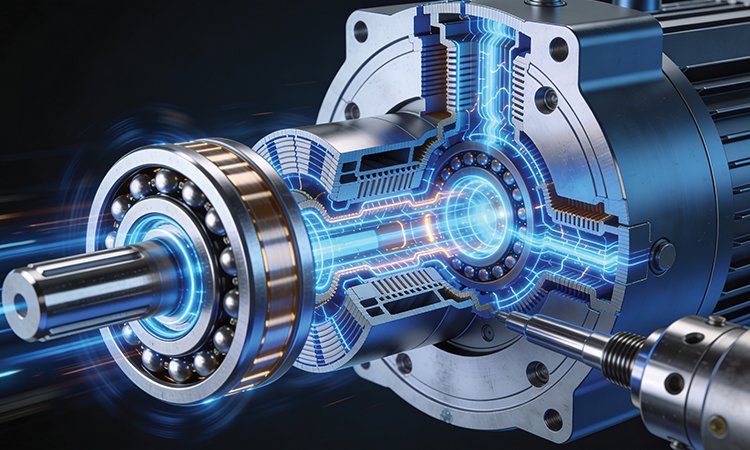
In modern industry, energy efficiency has become a critical priority. Rising energy costs, increasing environmental concerns, and stringent sustainability goals are compelling industries to optimize every aspect of their operations. While major attention is often given to motors, automation systems, and renewable energy technologies, one of the most important contributors to energy efficiency frequently remains unnoticed-the bearing. Bearings are fundamental components in rotating machinery, enabling smooth motion while reducing friction between moving parts. They are used extensively in electric motors, machine tools, pumps, compressors, turbines, automotive systems, railways, construction equipment, wind energy systems, and countless other industrial applications.
Although bearings themselves consume no energy directly, their design and performance significantly influence machine efficiency. Poorly designed or improperly selected bearings increase friction, generate heat, waste energy, and reduce overall equipment performance. On the other hand, advanced bearing designs can substantially reduce energy losses, extend equipment life, improve reliability, and contribute to sustainability objectives. Today, bearing manufacturers are focusing heavily on innovative materials, optimized geometries, advanced lubrication technologies, and intelligent monitoring systems to create energy-efficient bearing solutions capable of meeting the demands of modern industry.
Understanding the Relationship Between Bearings and Energy Consumption
Friction is one of the primary causes of energy loss in rotating equipment. Bearings are specifically designed to minimize this friction while supporting radial and axial loads. However, not all bearings perform equally when it comes to energy efficiency. Several factors influence the amount of energy consumed by a bearing system, including rolling resistance, lubricant viscosity, seal friction, load distribution, operating speed, alignment, and internal bearing geometry. When friction inside a bearing increases, more energy is required to keep the machine operating. This leads to higher power consumption, increased operating temperatures, accelerated wear, and reduced machine life. In industrial facilities operating hundreds or thousands of rotating machines, even small improvements in bearing efficiency can result in significant energy savings over time. This is particularly important in energy-intensive sectors such as manufacturing, mining, steel, cement, power generation, and transportation. As industries strive to reduce carbon emissions and operating costs, bearing efficiency has become a vital component of sustainable engineering.
Advanced Bearing Geometry for Reduced Friction
One of the key developments in modern bearing technology is the optimization of internal geometry to reduce friction and energy losses. Manufacturers now use advanced computer simulations and precision engineering techniques to optimize raceway profiles, rolling element shapes, contact angles, and internal clearances. These refinements improve load distribution and reduce unnecessary contact stresses within the bearing.
Low-friction bearing designs minimize rolling resistance while maintaining high load-carrying capacity and operational stability. In high-speed applications such as electric motors and machine tool spindles, reduced friction directly translates into lower power consumption and reduced heat generation. Precision manufacturing processes also ensure smoother surface finishes and tighter dimensional tolerances, further improving efficiency and reliability. The result is a new generation of bearings capable of operating at higher speeds with lower energy losses and longer service life.
The Role of Lubrication in Energy Efficiency
Lubrication plays a critical role in determining bearing efficiency. Proper lubrication reduces friction, minimizes wear, dissipates heat, and protects bearing surfaces from damage. However, excessive or improper lubrication can increase drag and energy consumption. Selecting the correct lubricant and lubrication method is therefore essential for achieving optimal performance. Modern lubricants are being engineered specifically to improve energy efficiency. Low-viscosity oils and advanced synthetic greases help reduce friction while maintaining adequate film strength under demanding operating conditions. Special additives improve thermal stability, oxidation resistance, and wear protection, enabling bearings to operate more efficiently over extended periods.
Automatic lubrication systems are also helping industries optimize lubricant usage and maintain consistent lubrication intervals. By delivering precise amounts of lubricant exactly where needed, these systems reduce friction losses and prevent energy waste. In many industries, lubrication optimization alone can produce measurable improvements in machine efficiency and operating costs.
Sealing Technologies and Energy Savings
Seals are essential components in bearing systems because they prevent contamination and retain lubrication. However, seals can also contribute to friction and energy consumption if not properly designed. Traditional contact seals often generate higher friction, particularly at elevated speeds. To address this issue, bearing manufacturers have developed low-friction sealing technologies that provide effective protection while minimizing resistance. Non-contact seals, labyrinth seals, and optimized seal geometries reduce drag without compromising contamination protection. These innovations are especially valuable in electric motors, automotive systems, and high-speed industrial machinery where energy efficiency is a top priority. Efficient sealing not only reduces power losses but also extends lubricant life and improves bearing durability.
Lightweight Materials and Hybrid Bearings
Material innovation is another major factor driving energy-efficient bearing design. Hybrid bearings that combine steel rings with ceramic rolling elements are increasingly used in high-speed and high-efficiency applications. Ceramic balls are lighter, harder, and smoother than steel balls, resulting in lower centrifugal forces and reduced friction. Hybrid bearings generate less heat, require less lubrication, and offer improved electrical insulation properties. These characteristics make them particularly suitable for electric motors, wind turbines, railway systems, and high-speed machinery. Advanced steel technologies and specialized coatings are also improving bearing efficiency by reducing surface wear and friction. Lightweight bearing designs contribute to reduced rotational inertia, enabling machinery to operate more efficiently while lowering energy consumption.
Bearings for Electric Motors and Energy-Efficient Drives
Electric motors account for a significant portion of global industrial electricity consumption. Improving motor efficiency has therefore become a major focus area for industries worldwide. Bearings play a crucial role in motor efficiency because friction losses inside bearings directly affect power consumption. Energy-efficient bearings designed for electric motors feature optimized geometries, low-friction seals, advanced lubricants, and reduced internal preload. In variable frequency drive (VFD) systems, bearings must also resist electrical currents that can damage raceways and shorten service life. Hybrid ceramic bearings and insulated bearing designs help prevent electrical erosion and improve motor reliability. High-efficiency bearing solutions contribute to lower operating temperatures, quieter operation, and improved motor performance. As industries increasingly adopt energy-efficient motors and automation systems, advanced bearing technologies will continue to play a central role in reducing industrial energy consumption.
Bearing Design in Renewable Energy Applications
The rapid growth of renewable energy sectors such as wind and solar power has created new demands for advanced bearing solutions. Wind turbines, for example, operate under highly variable loads and harsh environmental conditions. Bearings used in turbine gearboxes, generators, and rotor systems must provide exceptional reliability and efficiency over long operational periods. Energy-efficient bearing designs reduce friction losses and improve power generation efficiency. Advanced coatings, optimized lubrication systems, and smart condition monitoring technologies further enhance turbine reliability and reduce maintenance costs. Similarly, bearings used in hydroelectric systems and solar tracking mechanisms are being designed for higher efficiency and longer operational life. As the world transitions toward cleaner energy systems, bearing innovation will remain essential in supporting sustainable power generation technologies.
Smart Bearings and Digital Energy Management
The rise of Industry 4.0 and smart manufacturing is transforming the role of bearings in industrial systems. Smart bearings equipped with sensors can monitor parameters such as temperature, vibration, rotational speed, and lubrication condition in real time. This data helps industries optimize machine performance and identify inefficiencies before they lead to failures. Predictive maintenance systems powered by Artificial Intelligence and machine learning can analyze bearing data to improve energy efficiency and reduce downtime.
Digital monitoring also enables better lubrication management and alignment correction, both of which contribute to reduced energy losses. Cloud-based analytics and remote monitoring technologies are helping industries manage large fleets of rotating equipment more efficiently than ever before. The integration of intelligent bearings into connected manufacturing systems represents a major step toward energy-optimized industrial operations.
Sustainability Through Longer Bearing Life
Energy efficiency is closely linked to sustainability, and longer bearing life contributes significantly to environmental goals. Bearings that operate efficiently with minimal wear require fewer replacements, reducing material consumption and industrial waste. Lower friction also means reduced energy usage and lower carbon emissions. Advanced bearing materials, coatings, and lubrication technologies are enabling longer maintenance intervals and improved operational reliability.
By extending equipment life and minimizing resource consumption, energy-efficient bearing designs support circular economy principles and sustainable manufacturing practices. Industries increasingly recognize that bearing efficiency is not only a technical issue but also an environmental responsibility.
 The Future of Energy-Efficient Bearing Technology
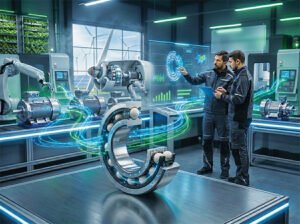
The future of bearing design is being shaped by advances in materials science, digitalization, precision manufacturing, and sustainability initiatives. Artificial Intelligence-driven design optimization, nanotechnology coatings, self-lubricating materials, and next-generation ceramics are expected to further improve efficiency and reliability. Additive manufacturing and advanced simulation technologies may also revolutionize bearing production by enabling highly customized and lightweight designs. As industries continue their transition toward smart factories and low-carbon operations, bearings will play an even greater role in achieving energy and sustainability targets.
Small Components, Big Impact
Though often overlooked, bearings have a profound influence on industrial energy efficiency. Their design affects friction, power consumption, machine reliability, maintenance requirements, and overall operational performance. Modern bearing technologies are helping industries reduce energy losses, improve equipment efficiency, lower maintenance costs, and achieve sustainability goals. Through innovations in geometry, materials, lubrication, sealing, and digital monitoring, bearings are becoming increasingly intelligent and energy-efficient.
In an industrial landscape focused on productivity and environmental responsibility, bearing design is no longer just about supporting rotating motion-it is about driving sustainable progress. As manufacturers and industries continue to pursue higher efficiency standards, advanced bearing solutions will remain at the forefront of energy-conscious engineering and industrial
innovation.