Bearings for Earthmoving Equipment
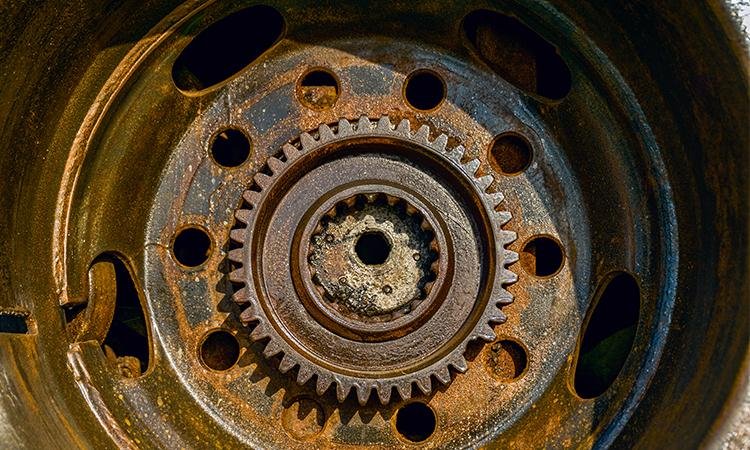
The Backbone of Heavy-Duty Mobility
Earthmoving equipment forms the foundation of modern infrastructure development. From excavators and bulldozers to wheel loaders, dumpers, and graders, these machines operate in some of the harshest environments known to engineering. They dig, lift, crush, and transport massive loads under extreme mechanical stress, often in dust, mud, water, and high temperatures. At the heart of this relentless activity are bearings—critical components that enable rotation, manage heavy loads, and ensure reliable operation. In earthmoving equipment, bearings are not just mechanical elements; they are the backbone of machine uptime, productivity, and safety.
Unlike automotive or industrial bearings, bearings used in construction and mining machinery must survive severe shock loads, slow and fast rotational speeds, high contamination levels, and long duty cycles. Their ability to withstand such punishing conditions directly affects machine availability and operating costs.
Extreme Operating Conditions and Their Impact
Earthmoving equipment operates under conditions far more severe than most other machinery. Bearings in these machines are subjected to extremely high radial and axial loads, frequent shock and impact, misalignment due to frame flexing, and continuous exposure to abrasive particles. Whether it is the swing bearing of an excavator, the wheel hub of a dump truck, or the gearbox of a bulldozer, each bearing must perform reliably even when lubrication is compromised and contamination is unavoidable.
Temperature variations also play a role. Machines may operate in deserts, frozen tundra, or humid tropical regions, meaning bearings must function reliably across a wide thermal range. These harsh conditions make durability, sealing, and lubrication far more important than in conventional industrial applications.
Heavy-Duty Bearing Designs for High Loads
To cope with these conditions, bearings for earthmoving equipment are designed with robust geometries and reinforced materials. Spherical roller bearings and tapered roller bearings are widely used because of their ability to handle both heavy radial loads and axial forces. Spherical roller bearings are particularly valuable because they can accommodate shaft misalignment, which is common in large frames and articulated equipment.
Large-diameter slewing bearings are another critical category. These bearings support the rotating superstructure of excavators, cranes, and large loaders. They must carry enormous axial and moment loads while providing smooth and precise rotation. Advances in slewing bearing design have led to improved load distribution, higher stiffness, and longer service life.
Advanced Materials and Heat Treatment
Material science plays a crucial role in improving bearing performance for earthmoving equipment. High-purity bearing steels with tightly controlled microstructures are now standard, offering improved fatigue resistance and toughness. In particularly demanding applications, special alloy steels and carburized steels are used to provide a hard, wear-resistant surface combined with a tough, impact-resistant core.
Advanced heat treatment processes such as induction hardening and case carburizing ensure that bearing raceways and rolling elements can withstand repeated heavy loads without surface spalling or cracking. These treatments allow bearings to survive the extreme pressures encountered in heavy machinery applications.
Sealing Technologies to Combat Contamination
One of the greatest enemies of bearings in earthmoving equipment is contamination. Dust, sand, water, and debris can quickly destroy a bearing if
Modern bearings for construction machinery are equipped with multi-lip seals, labyrinth seals, and heavy-duty contact seals that block contaminants while retaining lubricant. In some designs, bearing units are fully sealed and pre-lubricated, eliminating the need for frequent maintenance and reducing the risk of contamination during servicing.
Lubrication for Long and Reliable Operation
Lubrication is equally critical. Bearings in earthmoving equipment often operate under boundary or mixed lubrication conditions due to heavy loads and slow speeds. To address this, specialized greases with high load-carrying capacity, extreme-pressure additives, and excellent water resistance are used.
These greases form protective films that prevent metal-to-metal contact even under shock loads. Some bearings are designed with built-in lubrication channels and reservoirs to ensure consistent grease distribution throughout long operating cycles.
Condition Monitoring and Predictive Maintenance
As construction and mining operations become more digitized, bearings are increasingly being integrated into condition monitoring systems. Sensors can measure vibration, temperature, and rotational speed, allowing operators to detect early signs of bearing wear, misalignment, or lubrication failure.
Predictive maintenance based on this data helps prevent unexpected breakdowns, which can be extremely costly in large construction projects. By identifying problems early, operators can schedule maintenance during planned downtime, extending bearing life and improving overall machine availability.
Efficiency and Sustainability in Heavy Machinery
While earthmoving equipment is designed for power rather than efficiency, bearing technology still plays a significant role in reducing energy losses. Low-friction, well-lubricated bearings reduce the power required to move heavy loads, lowering fuel consumption and emissions.
Longer-lasting bearings also contribute to sustainability by reducing the frequency of replacements, minimizing waste, and lowering the environmental impact associated with manufacturing and transportation of spare parts.
The Future of Bearings in Earthmoving Equipment
As earthmoving equipment becomes more automated, electrified, and connected, bearing technology will continue to evolve. Electrified construction machinery will require bearings capable of handling higher speeds and electrical currents, while autonomous equipment will depend on ultra-reliable components that can operate for long periods without human intervention.
Future bearings are likely to incorporate smarter sensors, more advanced materials, and improved sealing and lubrication systems. These innovations will ensure that earthmoving equipment continues to operate efficiently and reliably, even as demands on performance and sustainability increase.